Safe driving
Driving must reflect the passenger group, road conditions and the responsibility of carrying children or vulnerable passengers.
Safety & standards
Our standards cover the practical details that protect passengers every day: suitable staff, vehicle readiness, safe driving, professional conduct, handovers, defect reporting and prompt escalation when something changes.

Vehicle readiness
Drivers are expected to complete appropriate pre-use checks, identify defects and escalate anything that could affect safe operation. Vehicle condition, restraints, accessibility equipment and general readiness all form part of daily service quality.
Staff conduct
Passengers, families and schools should receive calm, respectful and consistent behaviour from transport staff. Staff are expected to stay within their role, follow instructions and involve operations when circumstances fall outside the agreed plan.
Driving must reflect the passenger group, road conditions and the responsibility of carrying children or vulnerable passengers.
Professional boundaries reduce safeguarding risk and protect passengers, families and staff.
Illness, distress, refusals, delays, no-meet situations and incidents are reported through the appropriate route.
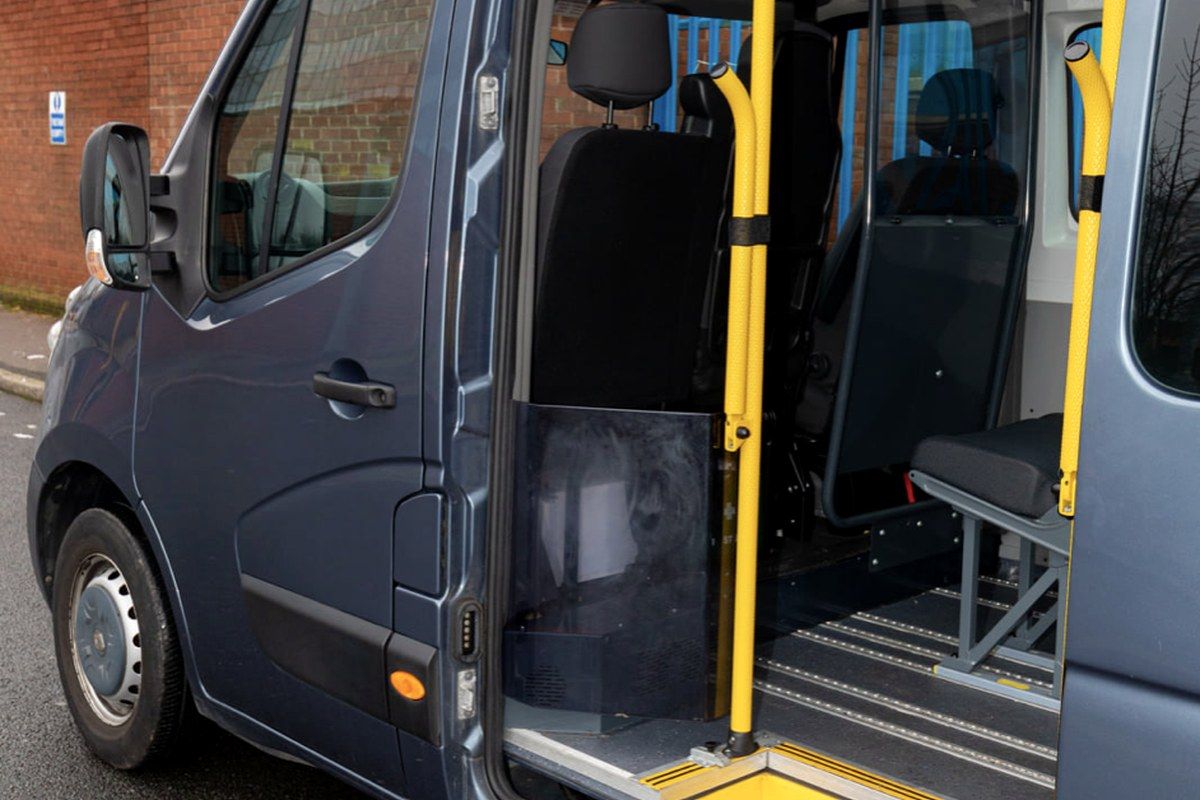
Incident response
Transport staff are not expected to solve every unusual situation alone. They are expected to protect immediate safety, contact the appropriate operational support and report what happened so the issue can be managed and reviewed.
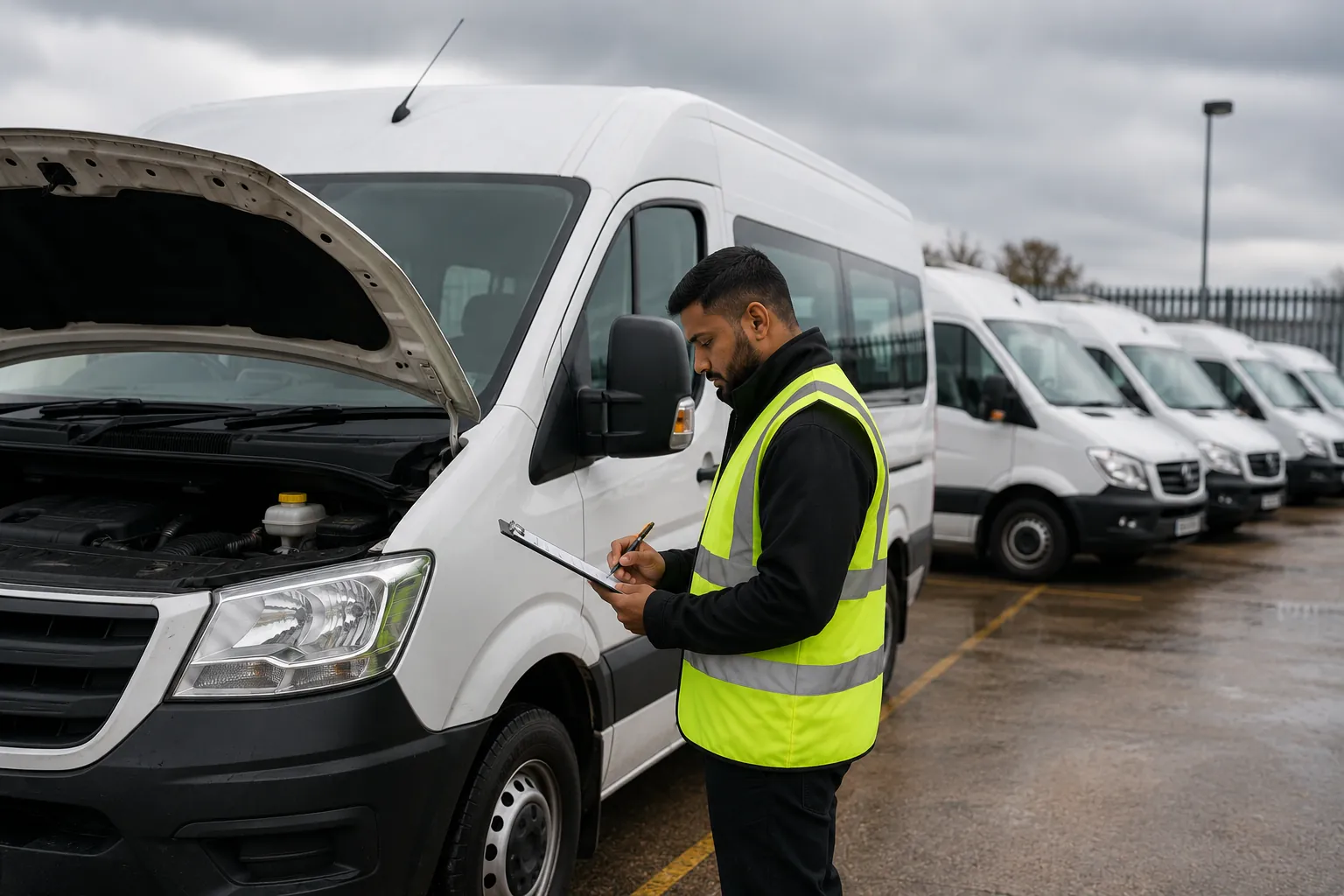
Vehicles, equipment and route information are checked before service.
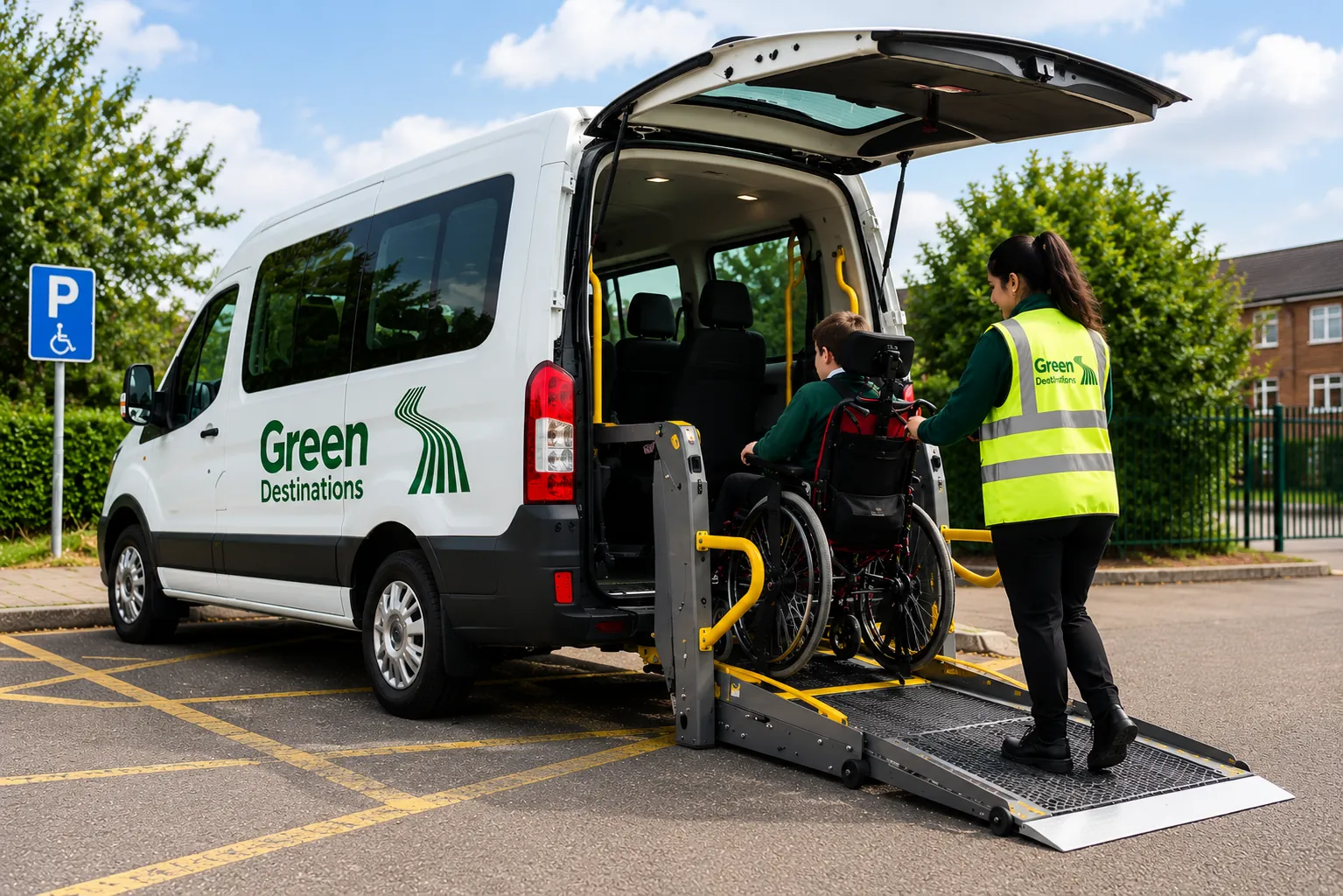
Accessibility and passenger safety equipment must be maintained and used correctly.
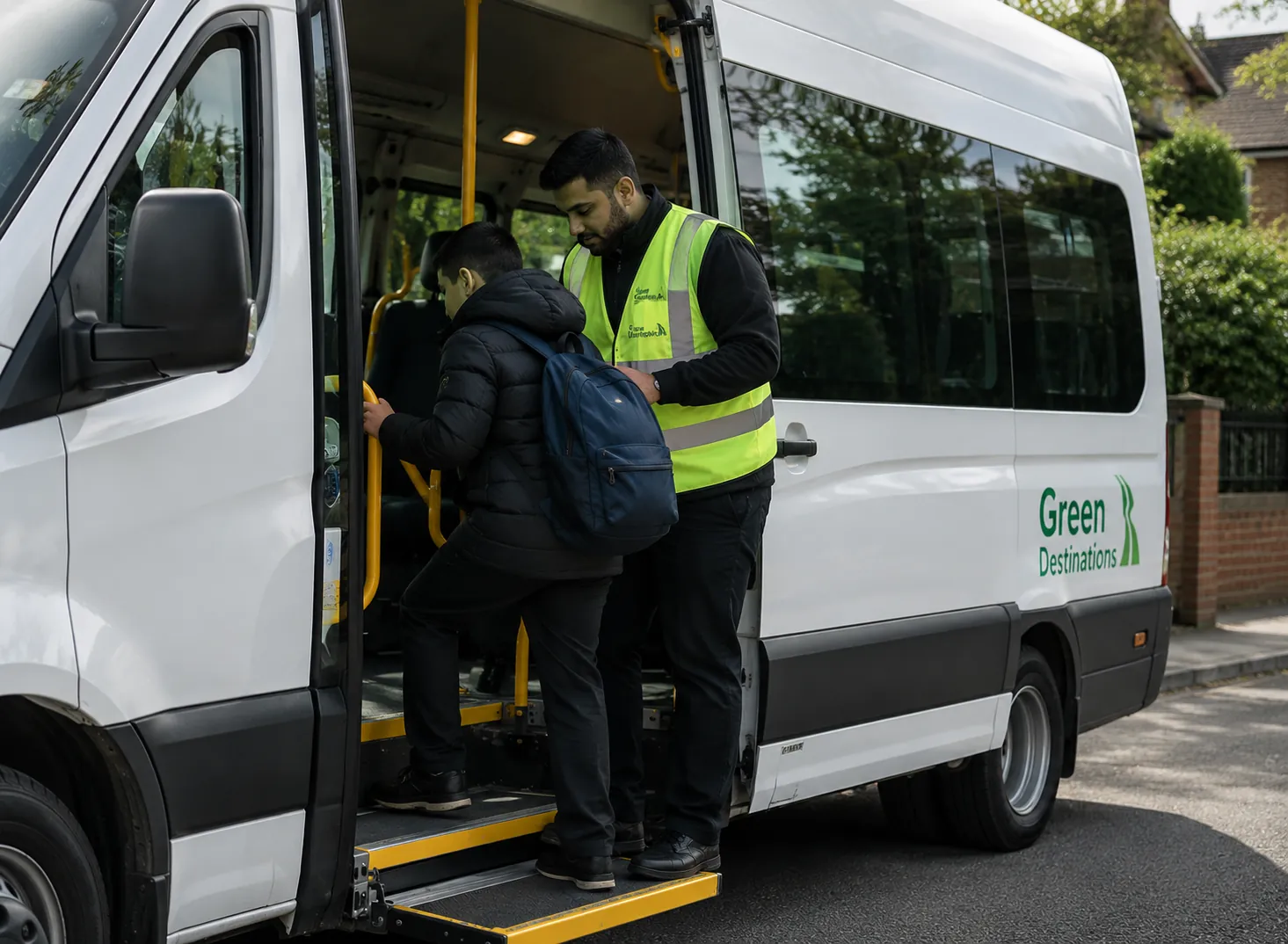
Safe arrival and collection depend on following agreed arrangements and escalating exceptions.